
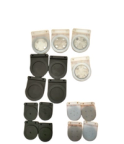
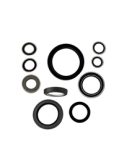






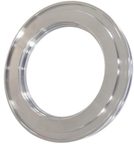
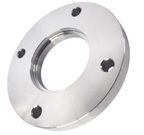
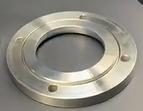


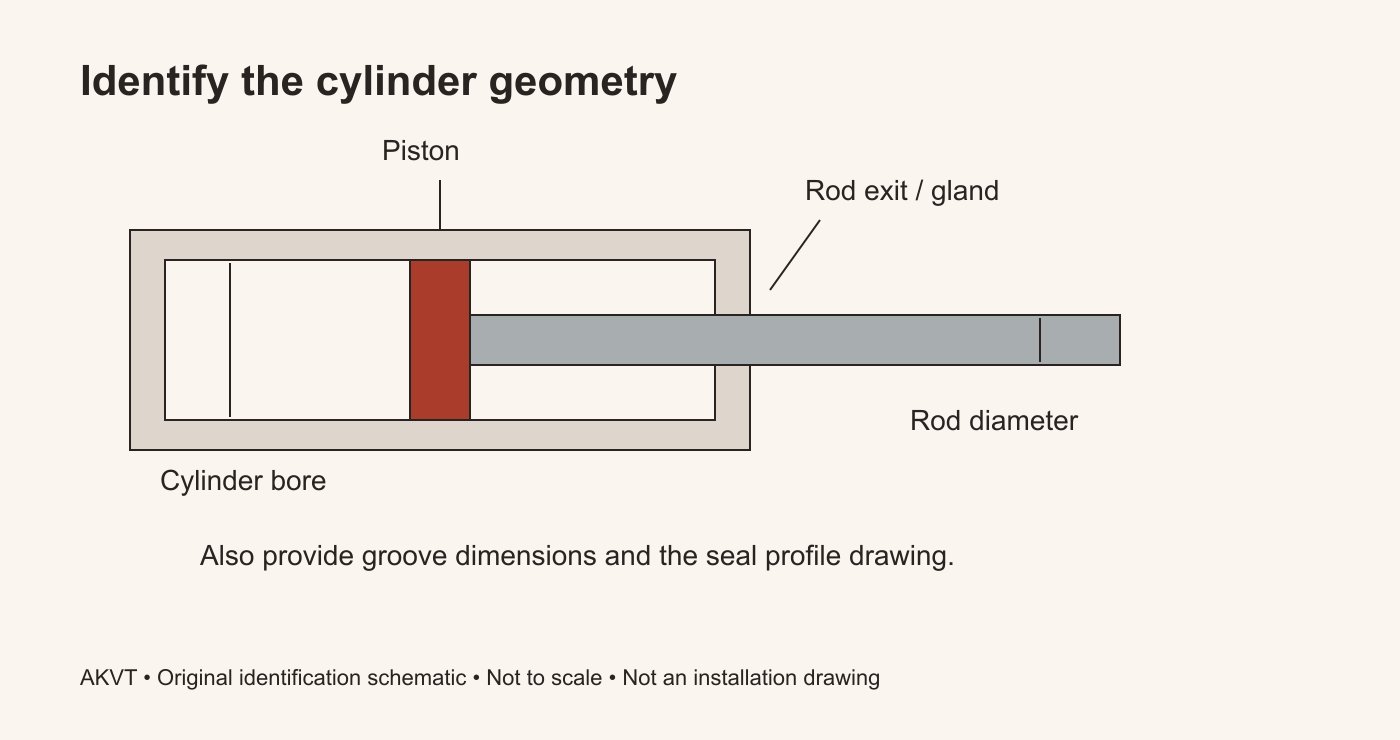
1. Identify the sealing location
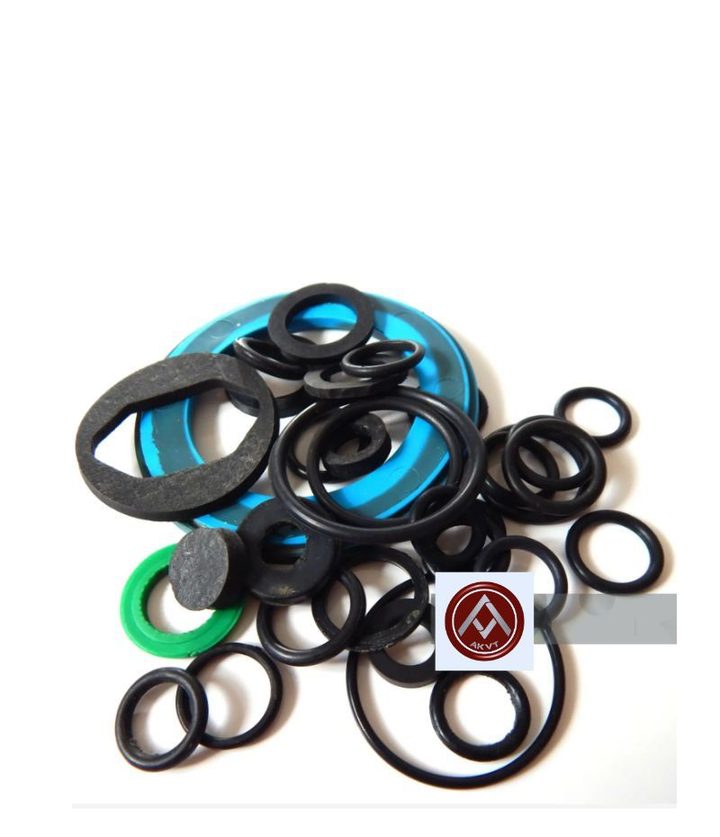
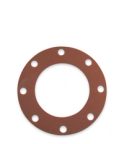
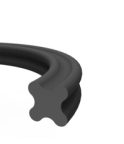
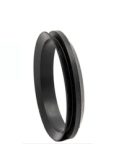
State whether the part is a rod seal, piston seal, wiper or static seal. A rod seal seals along the rod to prevent fluid escaping from the cylinder. Do not confuse it with a static washer at a fitting. Trelleborg: Hydraulic Rod Seals.
The schematic identifies a cylinder bore, piston and rod. It does not specify groove geometry or a seal installation.
2. Send the housing dimensions
For a rod seal, include rod diameter, groove diameter and groove width. For a piston seal, include cylinder bore diameter and the corresponding piston groove details. Add the profile drawing, tolerances and clearances where available. Trelleborg’s catalogue relates installation dimensions and clearance to the selected design and duty. Trelleborg Hydraulic Seals Catalogue.
Do not use a distorted removed seal as the only dimensional reference. Label any measurements taken from a sample and include equipment documentation.
3. Describe operating conditions
Provide normal and peak pressure, fluid, continuous and peak temperature, movement speed, stroke, cycle frequency and whether pressure acts from one or both sides. Include contamination exposure and cleaning agents. These inputs help assess a proposed profile and material; catalogue limits are specific to the design and conditions.
4. Identify the existing compound and problem
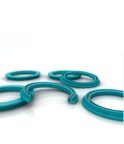
Send the original material code and hardness if known. Describe leakage, wear or repeated replacement, and include photographs. General manufacturer ranges contain different polyurethane and PTFE-based rod seal designs; this does not establish which material AKVT supplies for your requirement. Trelleborg: Rod Seal Designs.
5. Request a quotation
Include function, drawing, dimensions, part reference, material if known, duty details, quantity, delivery postcode and required date. Example: “Replacement rod seal; cylinder drawing attached; existing compound unknown; pressure and fluid details supplied.” Ask AKVT to confirm the proposed specification and lead time.
Excavator and hydraulic cylinder seal-kit checklist
For excavator seals, record machine make, model and serial number, then identify the cylinder location: boom, arm, bucket or another function. Add the cylinder assembly number and the original kit reference, if available. A machine model is a starting point; confirm the cylinder actually fitted to the machine.
For an industrial hydraulic cylinder, send the cylinder nameplate, manufacturer, assembly number and parts drawing. Identify any modifications or earlier non-original replacements.
Photograph and label the parts
Send a clear photograph of the machine or cylinder identification plate, an overall cylinder photograph, and close-ups of each removed seal’s markings and cross-section alongside a scale. Label each item by its position on the assembly drawing. Photographs support identification; measured dimensions and the original designation remain necessary.
List the contents you need
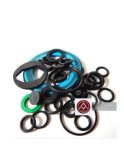
Use the parts drawing to list each required item and quantity, such as rod seal, piston seal, wiper, guide ring or static O-ring. A request for one rod seal does not establish the contents of a complete kit. Ask the quotation to identify each included component and any exclusions.
AKVT currently lists individual rod seals; a machine-specific kit range and brand compatibility have not been confirmed. Send the checklist to ask whether the required individual components or complete kit can be supplied.
Example replacement enquiry
“Excavator bucket cylinder; machine and cylinder identification attached; original kit reference unknown. Parts drawing, labelled seal photos and housing measurements supplied. Please confirm whether the listed components can be supplied, the proposed materials and quantities, and lead time to our delivery postcode.” Add pressure, fluid, temperature and duty details from the checklist above.
Keep replacement identification separate from dismantling instructions: follow the equipment manufacturer’s service procedure for cylinder work.
Common questions
Is outside diameter enough to identify a hydraulic seal?
No. Identify the function, complete profile and housing dimensions as well as operating conditions.
Is a bonded seal an alternative to a rod seal?
No. See bonded seals for suitable static connections when your enquiry concerns a fitting or bolted joint; they are not a replacement for a moving cylinder seal.
Find the relevant product
Review AKVT’s hydraulic seal supplier category and rod seal product, then send the application details for quotation review.